
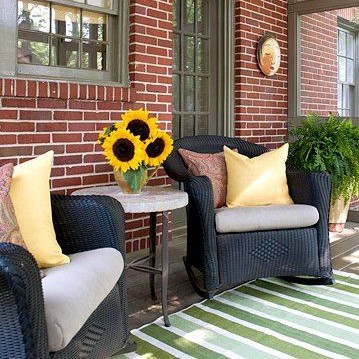
To make a space visually more appealing, design elements such as colour, shape, pattern, and line play an important role, but the hidden ingredient which plays the role of spice in food is texture. It is often an overlooked element. It is like adding cinnamon to an interior design scheme.
You will be surprised by how much depth and spice it can add to a dish, or interior space for that matter. Let’s now look at how “Texture” which is that magical ingredient that helps to build and create an important part of the interior design puzzle, plays out.
1. Elements of Texture
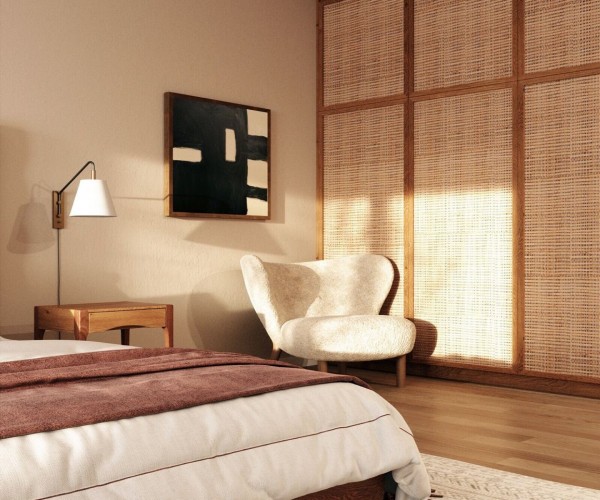
Wicker Furniture makes the room visually appealing.
Texture can be either tactile or visual. Tactile texture ignites your sense of touch, forcing you to feel and appreciate them. E.g. upholstery, carpet, wicker décor, textured walls, etc. Visual texture, on the other hand, is an illusion of physical texture. It makes a space visually more appealing and invokes your sense of feeling at first glance. E.g. wallpapers, veneer patterns, patterns on curtains, frosted glass panels, etc.
2. Defines Depth and Interest
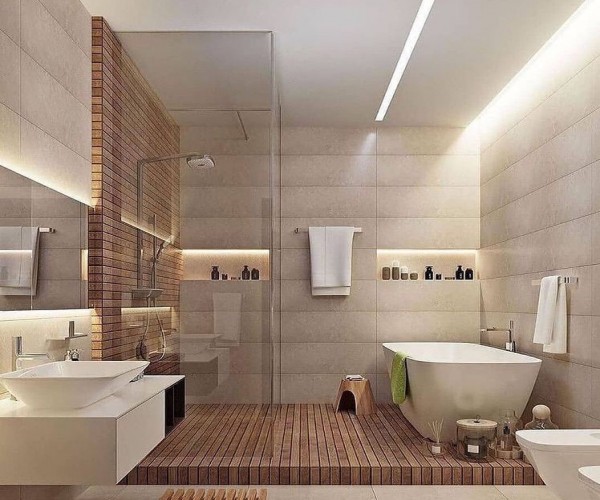
Glass and Wooden texture create depth and interest in an otherwise mundane restroom.
Start adding texture from the floor and work your way up to the furniture, décor elements, walls, and then the ceiling. Every material and every surface has its own visual or tactile texture and needs to be taken into consideration before creating a design composition. A smooth surface can be visually restful, while a rough surface can be visually active. The use of both can give a sense of personality to a design.
3. Adds Tone and Weight
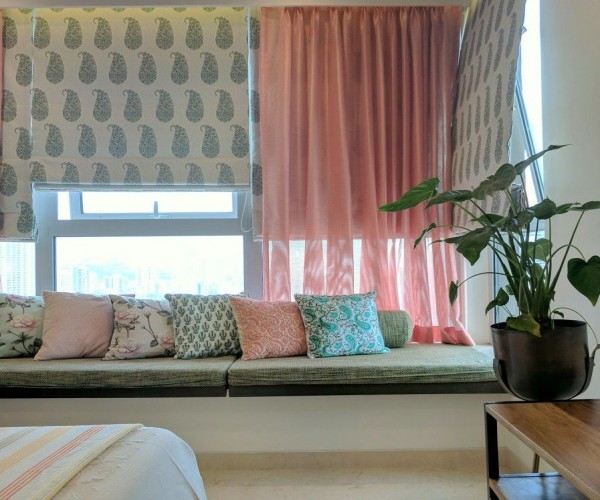
Smooth cotton window drapes make the window seating light and inviting.
Coarse finishes will feel heavier, while smooth textures will feel lighter. Objects which reflect more light will tend to feel lighter and vice-versa. E.g. A glass tabletop will reflect more light and appear to be lighter than a wooden tabletop, though glass is heavier than wood. The finer textural pattern, when viewed from a distance, appears smooth. Whereas, coarse textures can make objects appear closer and more defined. Keeping these basic principles in mind, it is possible to create a balance between large and small items, using heavier or lighter textures.
4. Creates Style & Mood
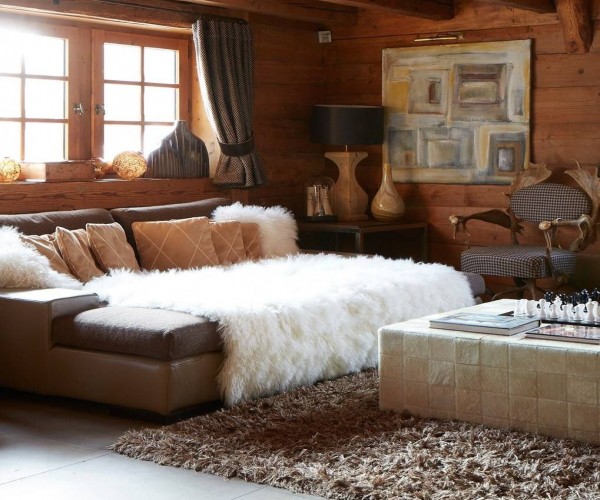
Wooden panels, fur throw and carpet add style and comfort to the Rustic Space.
Much like the colour of a room can affect how warm or cool it feels, texture creates emphasis on the style and mood of a space. The rough and natural texture gives a feeling of a rustic look, while the smooth and glossy texture makes the room appear modern. Weathered or distressed finishes steep a room is history, whereas mouldings and walls can contribute to the tactile richness, giving the room character. Layering carpets with rugs, help define certain zones, lets you add a range of colours and patterns, and most of all creates a sense of warmth and intimacy in a room.
To conclude, one can safely say that without texture planning, there would always be something missing in the space designed. Although not in your face, definitely at a subconscious level you will feel the missing element.



© Copyright 2026 Vdesignhappiness. All Rights Reserved.
