
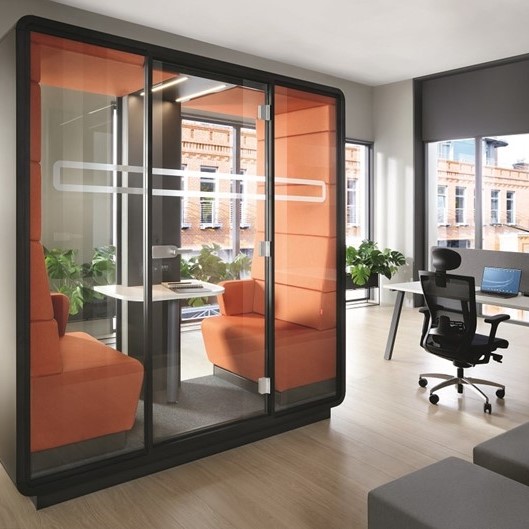
Is the noise outside driving you crazy?
If the answer is yes, the best solution for your problem is soundproof glass. Soundproof glass is important in homes and commercial environments with high sound decibels.
Is soundproof glass worth the cost?
Soundproofing can be expensive if you go out without a goal. If you live in suburbs, clearing mid-range and high frequencies should be more than enough to handle most of your needs.
How does soundproof glass work?
Soundproof glass works by creating an almost impenetrable barrier between the sound and your ears. A well-designed soundproof glass can block between 90 to 95% of most sounds.
Understanding Important Concepts in Soundproofing
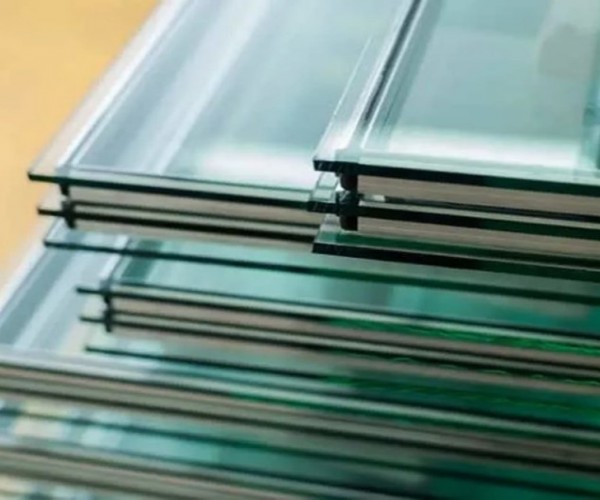
Soundproof Glass Panels
Before anything, we must understand that it’s nearly impossible to soundproof a home 100%.
Unless you spend on commercial-level materials, no residential applications can provide total soundproofing.
What we call soundproof, means 90–95% noise reduction. Many soundproof materials block mid-range to upper-range frequencies, like a human voice and bird chirps.
Low-range frequencies are much harder to block, so you need to take this into account. To block any noise, you need to fulfil 'The Five Principles of Soundproofing'.
1. Mass
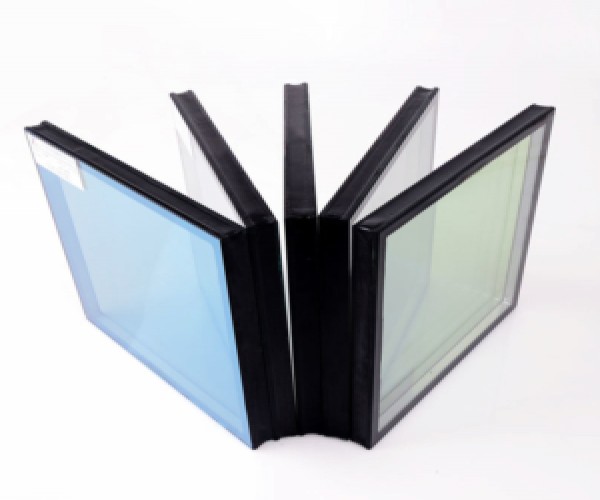
Thick Clear Toughened Glass
Mass reduces noise by making it harder for sound to penetrate. The thicker your material is, the less likely sound can penetrate through it.
Soundproof glass manufacturers add mass, making the glass thicker letting the energy dissipate on its surface, reducing noise.
2. Mechanical Isolation
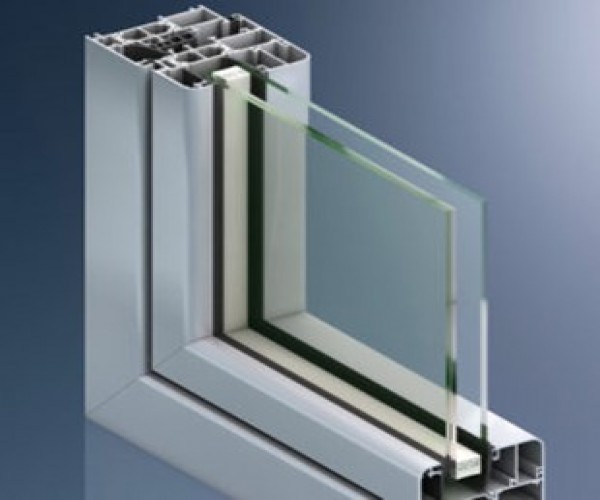
Double Layered Window Glass
Mechanical isolation separates the materials from each other, forcing the sound to move through the air.
More materials isolated means you loose much of the energy in the air. With no materials to move, the sound will dissipate faster through the air.
Interior glass is isolated from sound with additional external glass.
3. Sound Absorbing Material
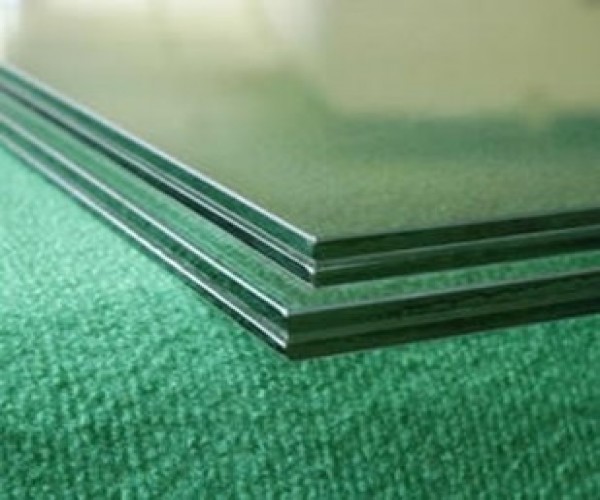
Interlayered Sandwich Glass
Materials with strong absorption capabilities will eliminate a good chunk of the sound wave’s energy.
Soft surfaces soak up the energy of the sound. Instead of reflecting it, it dissipates across a surface, making the sound weaker in the process.
A plastic interlayer sandwiched between two glasses makes the window much firmer, reducing the vibrations that the material transmits.
4. Resonance Dampening Material
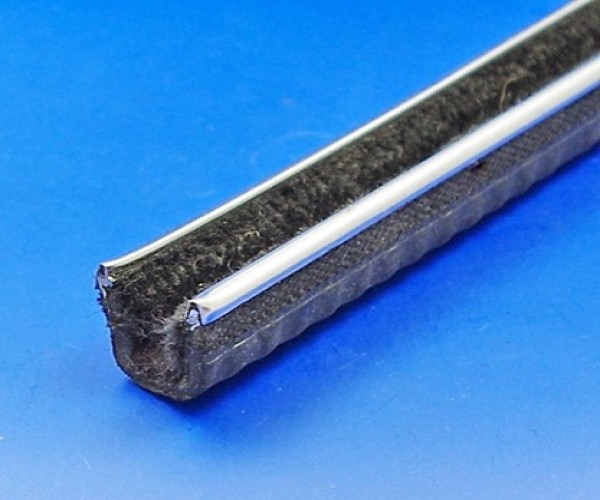
Window Channel Cleaner Strip
With resonance dampening, your material reduces the magnitude of the sound.
Sound dampening is also known as sound absorption, sound deadening, or acoustic treatment.
Cotton, window channel strips, acoustic foam and panels, open-cell insulation, and thick carpets are all good materials for sound dampening.
5. Conduction

Conduction Foams in a Music Room
The last principle of soundproofing is conduction, where there is a transference of energy from one material to another, to dampen and dissipate as sound travels, such as conduction foams.
Heavy curtains and carpets are smarter ways of soundproofing conduction that can be used in interiors, close to areas with high sound decibels, such as airports, highways, or railway tracks.
There are also ways to reinforce your walls with both drywall and insulation that can act as conductors to reduce noise from the outside.
6. Using Multi-Pane Technology
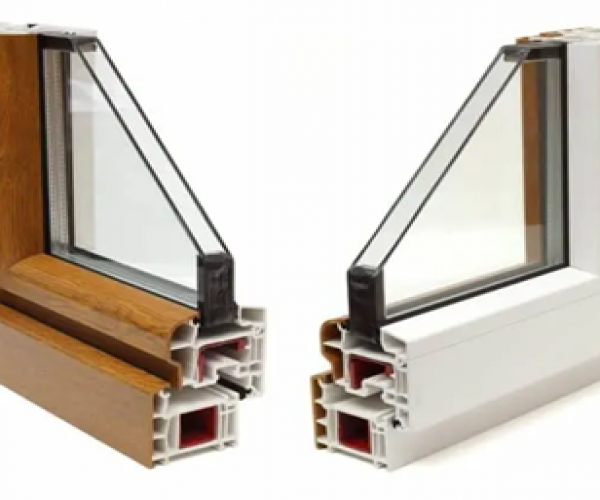
Vacuum Panes for Windows
Some soundproofing glass functions work using panes. By adding a vacuum space in between two panes of glass, you prevent sound from coming in.
The sound stops on the first layer by using double-pane windows with a full vacuum in between. The bigger the gap that you create, the better the mechanical isolation you get.
Lastly, consider The Extra Benefits of Soundproof Glass
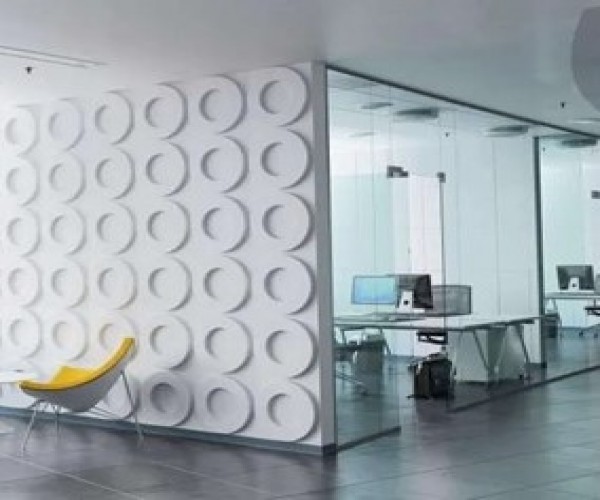
Multi-purpose Glass Panes
Your glass does not stop with soundproofing.
Special laminates like Low-E coating help with keeping temperatures stable indoors. They prevent excess heat and cold from penetrating, which helps regulate indoor temperature.
Some glasses also have an anti-radiation coating that helps with UVA and UVB sun protection. Doing so helps not only with your health but also reduces furniture bleaching in your home.
Are you considering soundproof glass for your needs?
See how it functions first to know if it’s right for you.






© Copyright 2026 Vdesignhappiness. All Rights Reserved.
