

Window coverings or window treatments can completely transform the look and feel of a room, only when chosen correctly.
It's a matter of picking the Right Colour & Fabric, Length & Lining, Custom-made vs. Ready-made.
We have compiled a few pointers for narrowing down the most commonly asked questions.
1. What are the Practical Aspects?
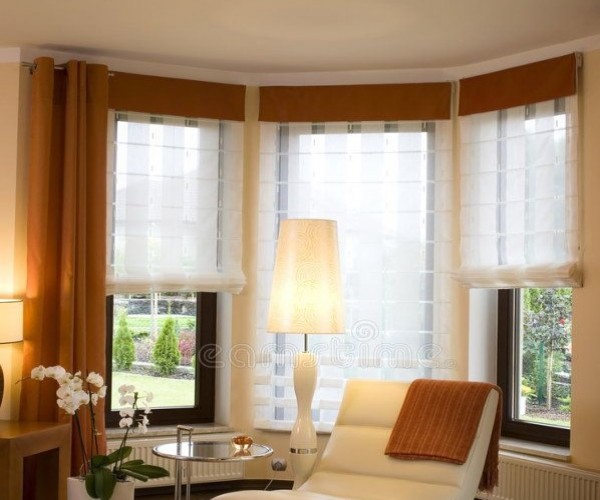
Window fabrics are manufactured in various thicknesses, each with a differing degree of light absorption and heat-noise-insulating qualities. They also give your home added privacy, allowing you to enjoy life without having to worry about prying eyes and a noisy neighbourhood. Therefore, the first step is to figure out what your room requires.
2. Which are the different Styling Options?
2.A. Drapes
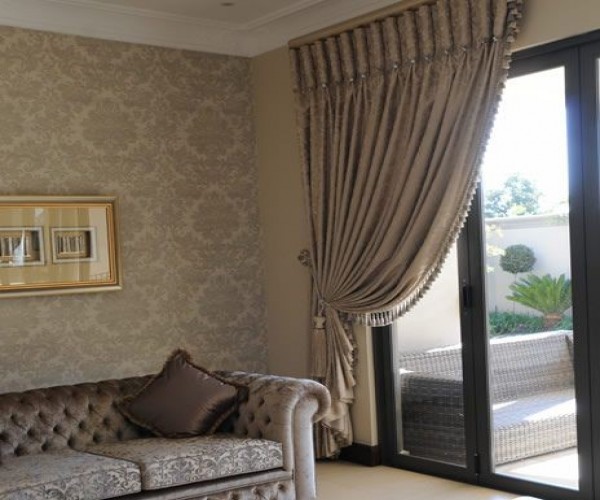
They are floor-length thick fabric panels with a backing that gives them structure and a formal look.
2.B. Curtains
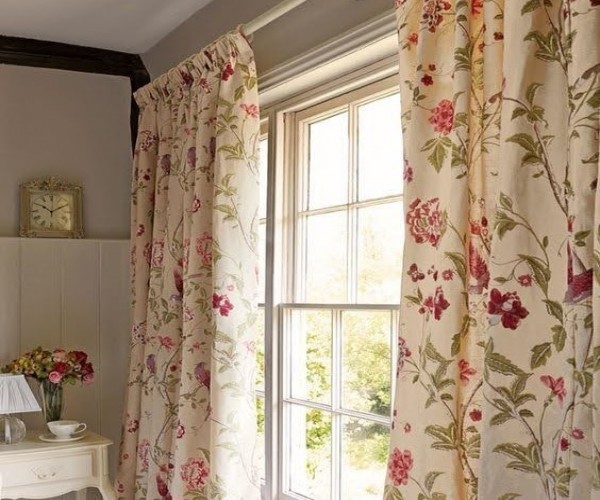
They offer a more relaxed style, typically drop below a windowsill and are of a lighter fabric that can move in the breeze.
2.C. Shades
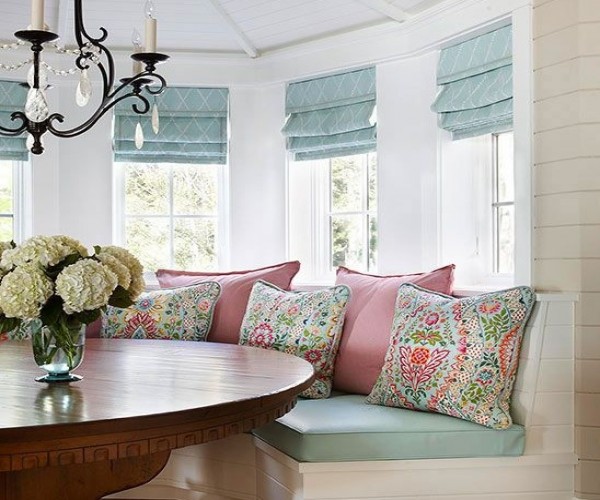
Shades are made of fabrics, attached to a rod or frame at the top. As the fabric raises, it will either roll around the rod at the top or bunch into a neat stack, depending on the style.
2.D. Blinds
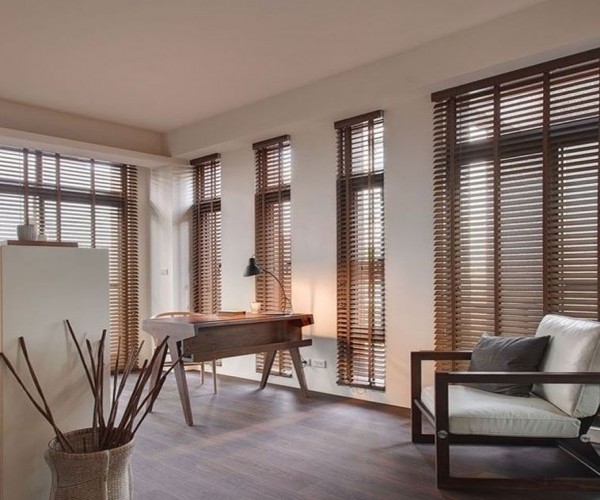
Like shades, blinds are attached to a frame at the top and also have a lifting mechanism. However, instead of fabric, they are made of materials, such as bamboo, plastic, wood, aluminium, or vinyl.
3. How to pick the Right Material?


Heavier fabrics look formal and traditional, while sheer fabrics work best in more minimalistic rooms. Light curtains are mostly used for privacy purposes, making them perfect for living rooms. Whereas, drapes are best suited to block out sunlight, making them ideal for bedrooms. Blinds work best where you want to play with light and shadow. While the simple roller shades are best suited for a kid’s room.
4. How to choose the right Colours & Textures?
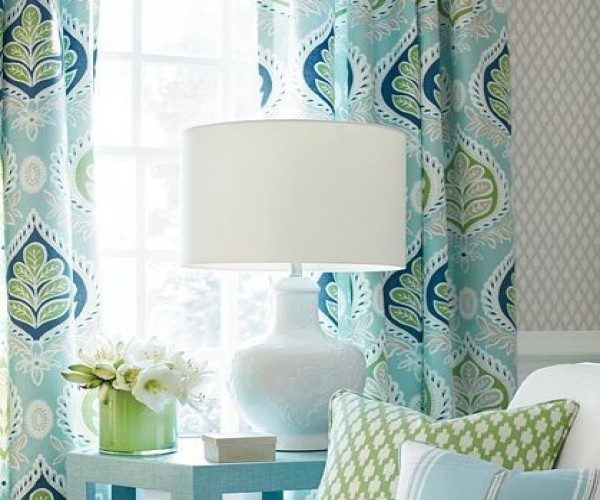

The look of your window dressing should ideally be in sync with the rest of the furnishings. You’ll need to decide if you want the curtains to blend with the decor or to pop. Your bedroom may be a neutral space without too much colour, so you could either continue along those lines with simple light tones or go with something a little more textural and luxurious.
5. Should you choose Solids or Patterns?
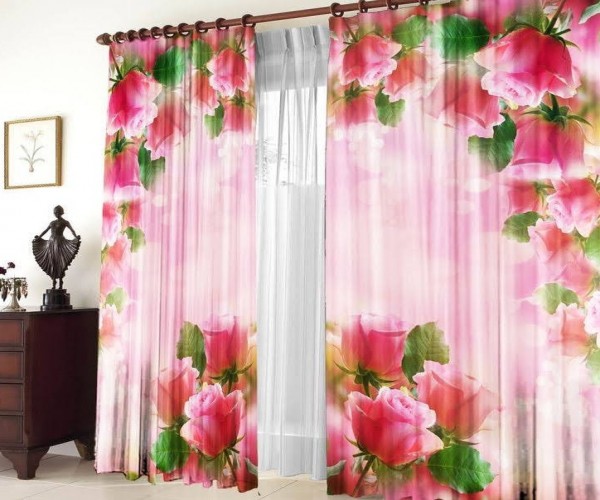
Opt for patterns when the room is packed with solid colours and vice-a-versa. Prints add visual weight to any element. Therefore, pair them with solid-coloured furniture, accessorized with printed cushions and rugs. For a subtle hit of style and energy, go for a small, neutral print, like dots or paisley. Whereas a large, graphic print in a colour that relates to the existing decor is daring but can be spectacular.
6. What should be the Ideal Length?
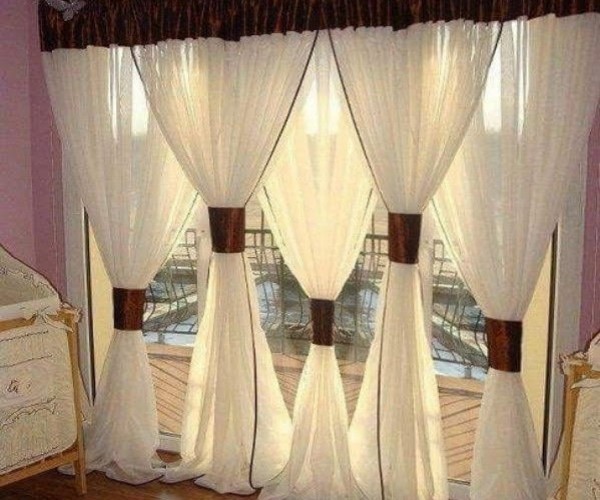
Lengthy curtains give the appearance of a high-ceiling room. Curtains that fall exactly to the floor level are in vogue. For a more dramatic look, you can opt for a curtain size that is longer by a few inches, so that the drapes puddle on the floor. On the other hand, if you have kids, you are better off with curtains a couple of inches above the floor. Ending them at the sill for smaller windows is yet another classic option.
7. What should be the Ideal Width?
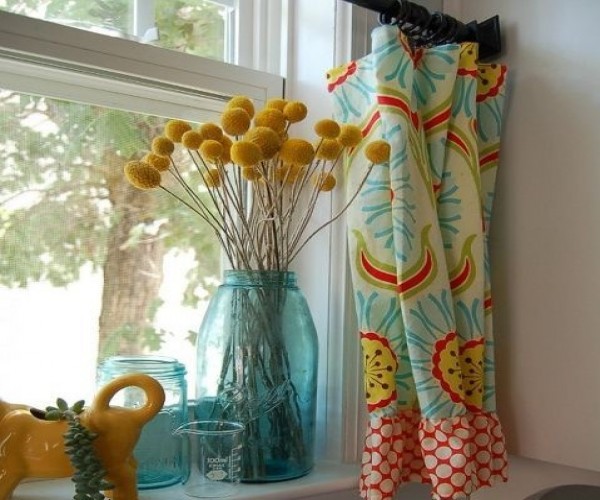
When measuring the width of your window, be sure to add four to eight inches on both sides and double the total number to ensure curtain fullness. The extra fabric helps accomplish the gathered look on the sides when the curtains are drawn back. In the case of smaller windows, extending the rod three to six inches beyond the frame on each side makes a window feel grander.
8. Should it be Lined or Unlined?
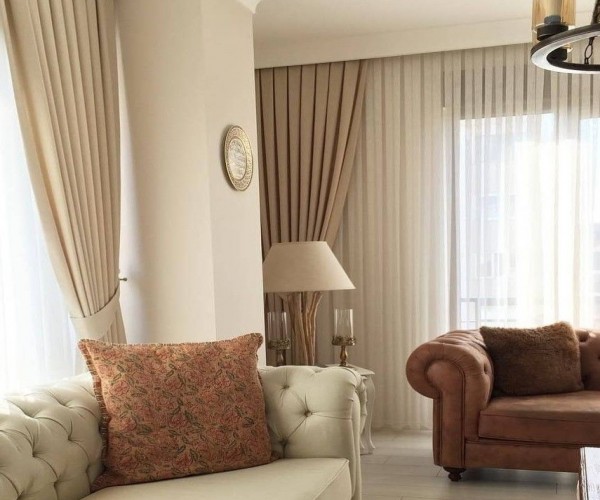
If the curtain hangs on a window that receives direct sunlight, a protective lining can make it opaque, fade slower and last longer. Also, two layers of one sheer, one opaque can give you the flexibility to choose the amount of privacy and light you want. The fact remains that a lining makes drapes heavier, so choose wisely.
9. How to Maintain the Fabric?
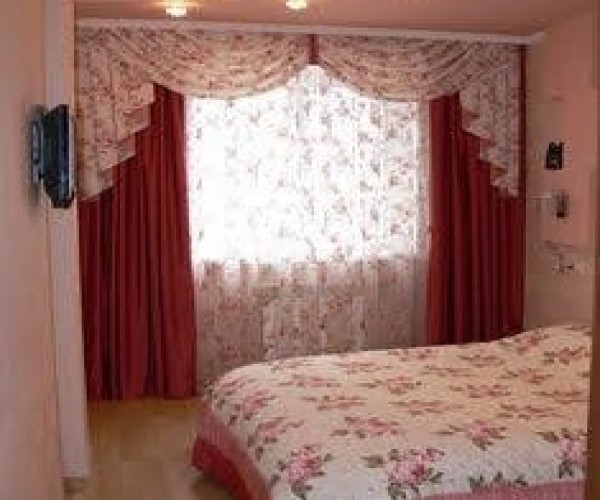
When it comes to selecting material, cotton, linen, synthetic and velvet are the best choices since they tend to hang the best. However, determine whether you're going to buy dry-clean only or washing machine friendly, to save your time and money in the long run. Cotton or synthetic curtains fabrics can be washed twice a year. Pleats or swags must be dry cleaned regardless of the fabric.





© Copyright 2026 Vdesignhappiness. All Rights Reserved.
