

In an interior design, a pattern is often applied using wall coverings, tile, carpeting, colourful prints on interior fabrics and other graphic elements.
The pattern gives you the ability to bring energy, interest, and contrast into your design, and when patterns are done well, they bring a room together and give depth to your space.
Keep reading to find out how to combine patterns like a pro.
1. Start with Showstopper Pattern
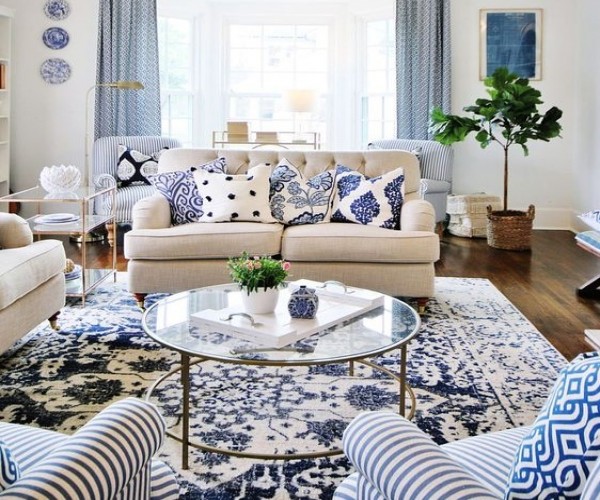
Always choose the showstopper pattern that covers a large area and is the focal point of the room, such as the carpet in this image. People often ask us to help them choose patterns for rooms that have been already painted. For us it’s a big no-no as the choices of patterns are immediately restricted. It is always easier to match a colourful pattern with the wide range of paints available than to hunt for a pattern after the walls have been painted.
2. Find Complementing Patterns
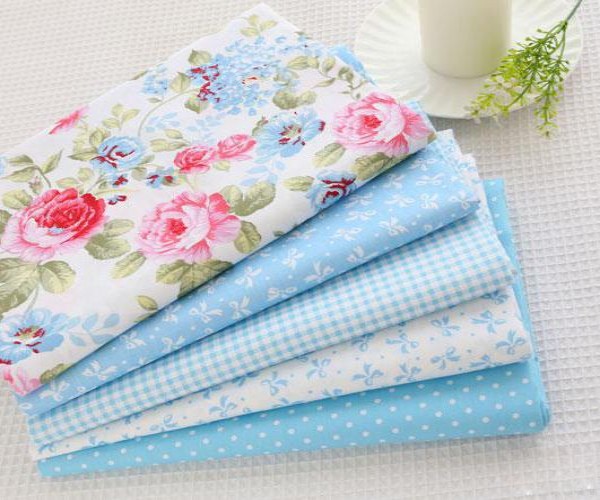
Once you have found your showstopper pattern you can then find other patterns that will complement your choice as shown in the picture. It is important to consider the other soft furnishings in the room that also need patterns, such as cushions, upholstery, lampshade, headboard and so on. It would all be very boring if you used the same pattern for all of these, so you need to think about the whole scheme.
3. Keep The Color Palette Simple
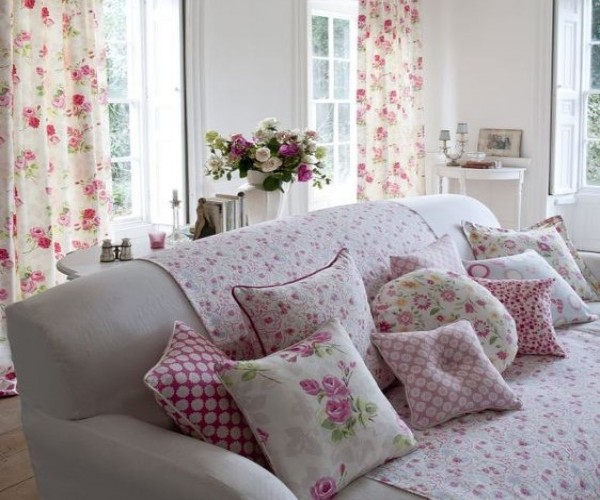
Using colour schemes within the same tonal family or colour palette can create an aesthetically pleasing environment. It is recommended to keep the colour palette simple and use just two or three colours within a scheme while offering a variety of patterns in display. However, pick three or four patterns to stick with as you develop your room style.
4. Take Pattern Scale into Account
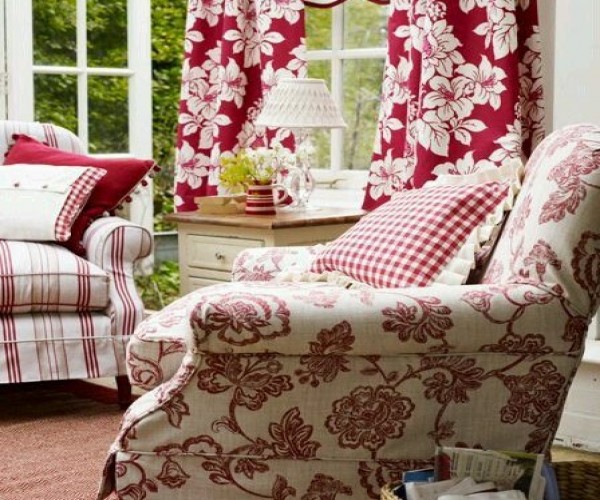
When you mix patterns, make sure they are not all the same size. Use large-scale pattern styles as a dominant pattern, and combine them with medium or smaller scale patterns for accents (cushions, vases, lampshades). As seen in the image try to blend intricate patterns (window curtains) with the simple complement pattern (sofa sets, cushions). This scheme provides variation and contrast without detracting from the aesthetic.
5. Narrow Down Pattern Choices
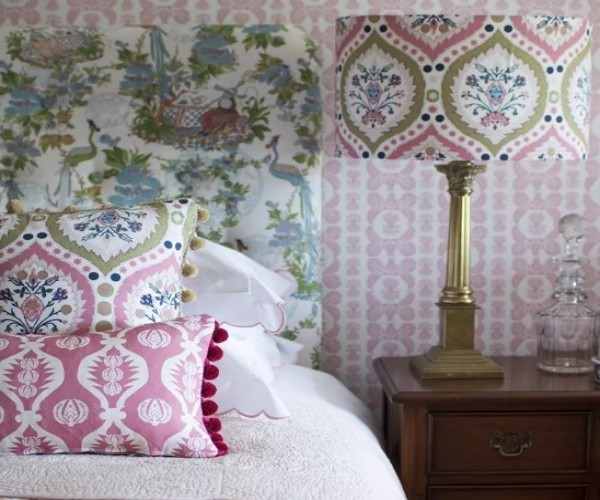
Follow a thumb rule for choosing patterns that always work for you and ensure interest and contrast in a room.
Choose one, two or three colours. Use only one large scale showstopper pattern. Choose medium or small-scale and simple designs for all-over complementary patterns. Find a pattern that reminds you of a stripe, but it isn’t necessarily a true stripe. Pick a pattern that reminds you of spots, but it isn’t necessarily a spot.
6. Create a Visual Balance
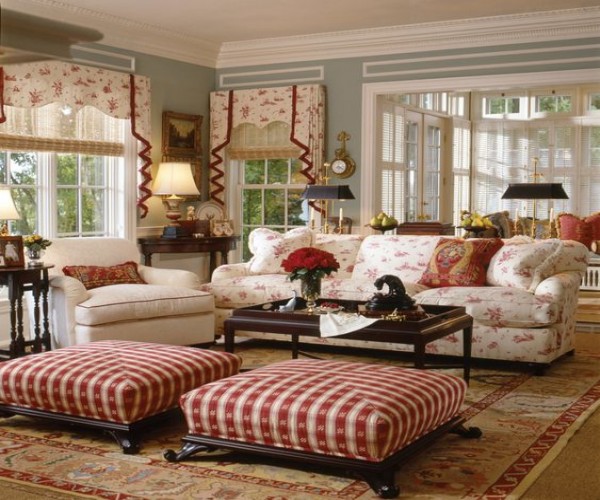
Mixing and matching patterns and colours can expand your design capabilities, but doing too much can overwhelm the room. Mix in solid colours to break up the lines and shapes of your patterns. Also, keep your patterns flowing throughout the entire room and not just focused on one side.
Write to us about how did you introduce patterns in your rooms. Vdesignspaces is always available for any clarifications on the same.




© Copyright 2026 Vdesignhappiness. All Rights Reserved.
