

Ever wondered why some interiors look so pleasing to the eye?
Some of the top designers use the concept of the golden ratio to create stunning interiors. It helps create aesthetically pleasing proportions and impeccable living space.
What is the Golden Ratio?
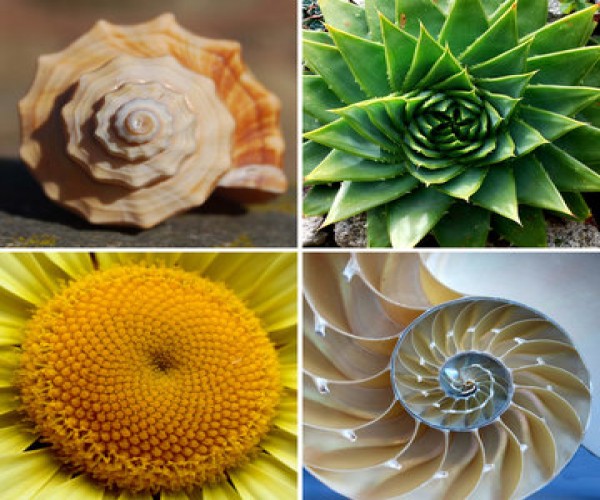
The ratio of 1.168:1 or 60-40 is often called “The Golden Ratio” or “The Divine Proportion” in the Universe. This fascinating sequence is not just seen in Math as the theory of thirds but exists as a natural phenomenon in nature, such as the elegant twirl of a fossil or delicate unfurling of rose petals.
How to apply the Golden Ratio?
The golden ratio is one of those design formulas that is worth referring to when creating a room scheme from scratch or rebalancing an existing one.
1. In Colour Scheming
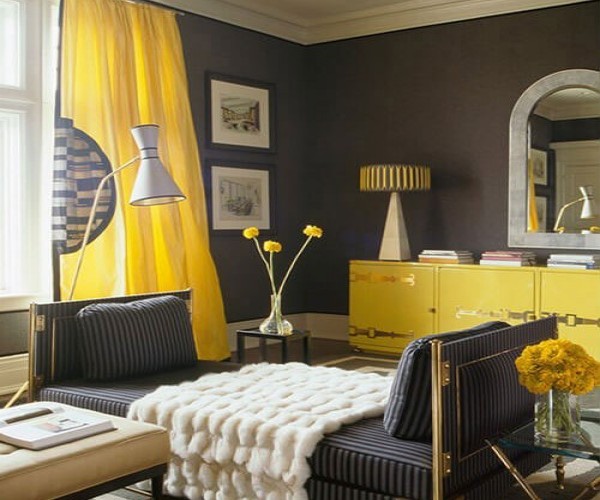
Any visually balanced room should have a good proportion in its colours. For a two-colour room scheme, the dominant colour should cover around 60% of the surfaces, possibly through the paint on walls and larger pieces of furniture. The complementing colour must cover around 40% of smaller areas, such as textiles, curtains and rugs. In the case of a three-colour room scheme, you can scale up the ratio to 60-30-10.
2. In Introducing Patterns
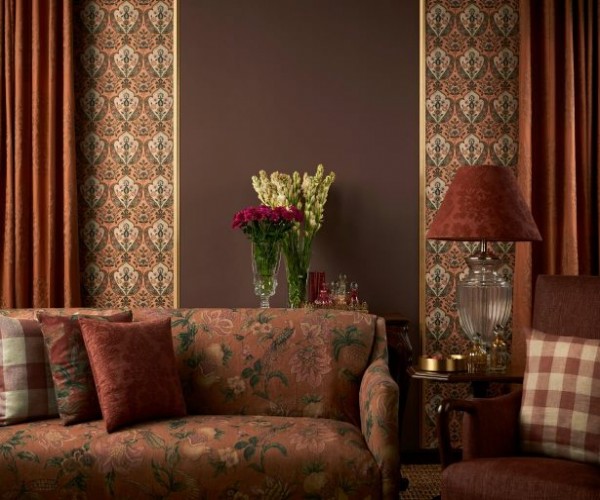
First, select two or three complementing patterns you want to express. Then, divide the use of these different patterns among the available architectural surfaces and furniture, according to the golden ratio or 60-30-10 ratio. Perhaps 60% for the wallpaper pattern, 30% for the sofa fabric pattern, and the remaining 10% for cushions.
3. In getting a Balanced Room Layout
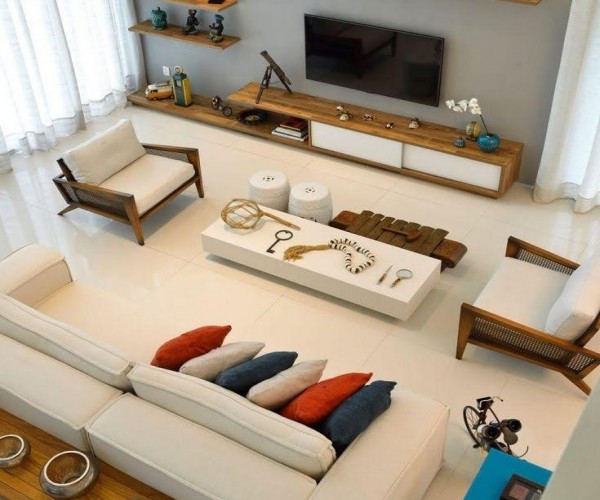
The same rules can be applied to help you achieve a delicate balance between cluttered and empty rooms. The golden ratio recommends filling up a room to 60% with furniture and leaving the remaining 40% empty to achieve that balance.
4. In Choosing Furniture
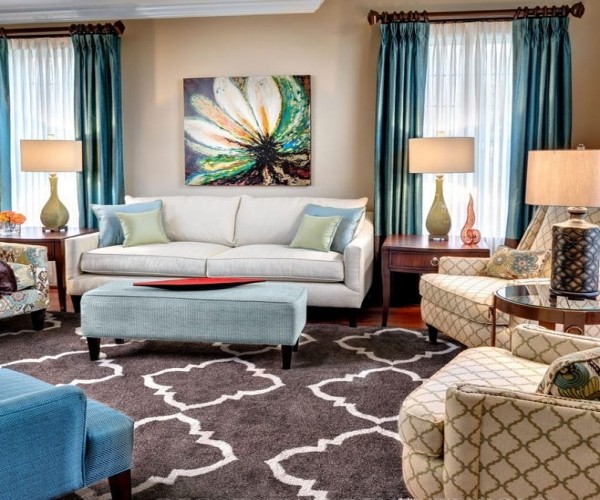
Keeping room measurements in mind when shopping for furniture seems like common sense, but you can narrow down the range of aesthetically pleasing dimensions to consider by applying the 60-30-10 rule to furniture sizes. In the living room, for instance, lookout for a coffee table that is no more than two-thirds, or around 60%, of the sofa’s length. Any larger and it will feel too big, any smaller, it will feel more like a misplaced side table.
5. For Displaying Accessories
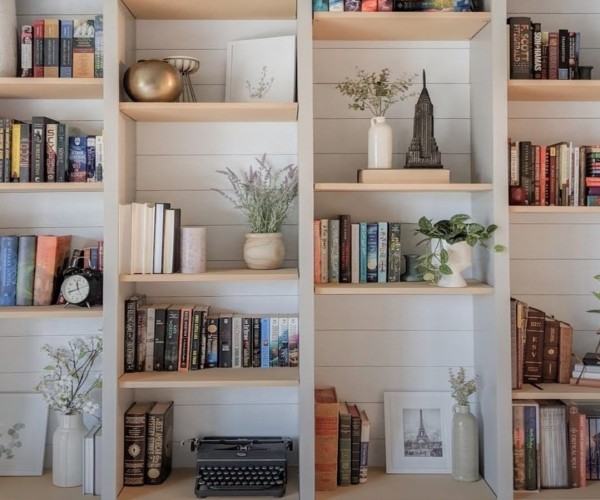
Ideally, whatever you are displaying on the coffee table's surface should take up no more than 40% of the space to look neat. Similarly, cushions on a sofa should leave 60% of the seating area clear. For displaying objects on shelves, devote 60% to the books and 40% to show off your favourite items and you will have the balance right.
6. For Displaying Art
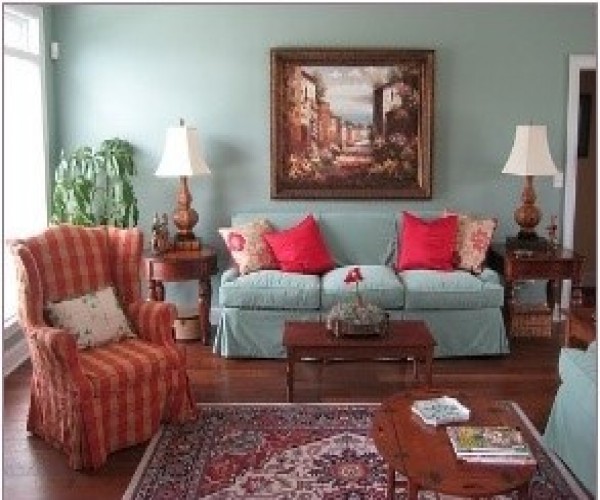
When considering which pieces of art to display in space, look at investing in a piece that's one-third or two-thirds the size of the wall space for brilliant balance. If you like large pieces of statement artwork, choose the latter. Pictures need to be hung nearer the furniture below them than the ceiling above. Think 40% of the blank wall below and 60% above.
Vdesignspaces is always available to assist you.
Wow! Very interesting article. Love the visuals too!
Thank you




© Copyright 2026 Vdesignhappiness. All Rights Reserved.
