

Have the layers of decisions throughout an interior design project left you overwhelming and your head spinning?
The six principles of interior design are the ultimate help guide to creating a space that works for you. Today, let’s go back to the basics of design.
1. Balance
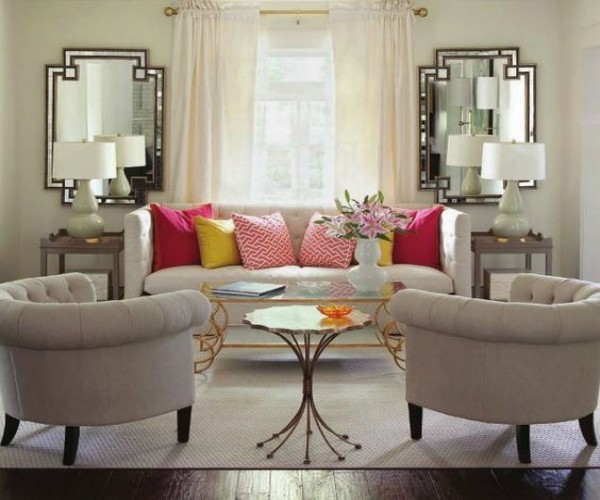
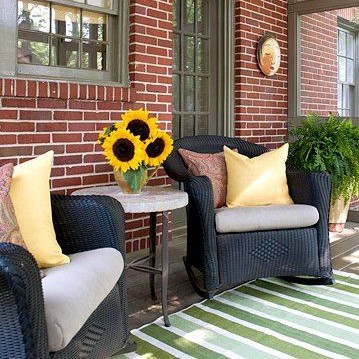
Symmetrical Balance
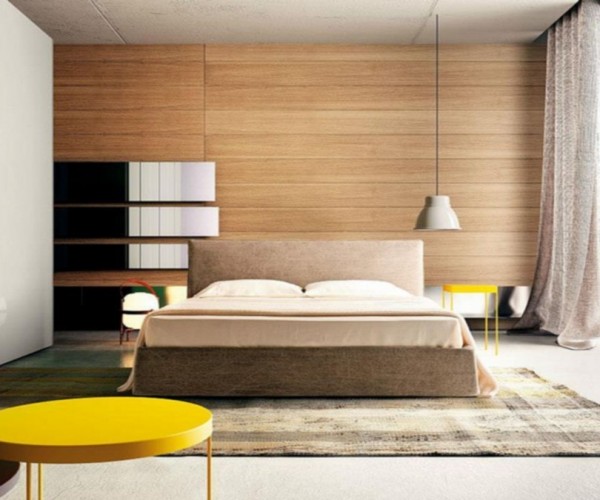
Asymmetrical Balance
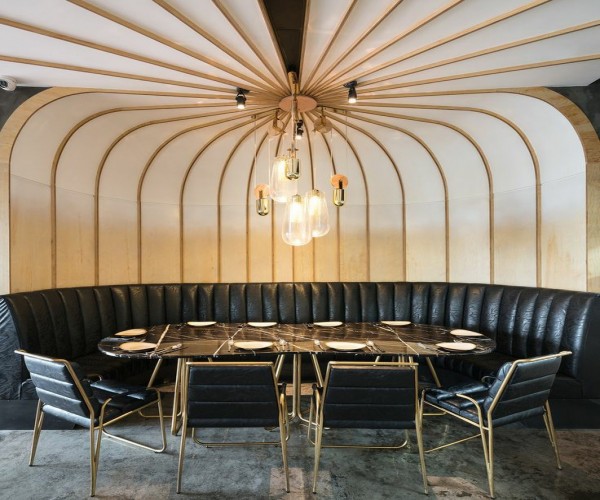
Radial Balance
Balance is all about spatial equilibrium to meet your functional requirements. It’s the visual weight distributed in a design space. Balance provides stability and structure to a design. There can be symmetrical, asymmetrical, or radial balance. If you are creating a room for conversation, go with a radial furniture arrangement. If your room is for binge-watching Netflix, the asymmetrical arrangement may be your best bet.
2. Alignment + Harmony + Unity
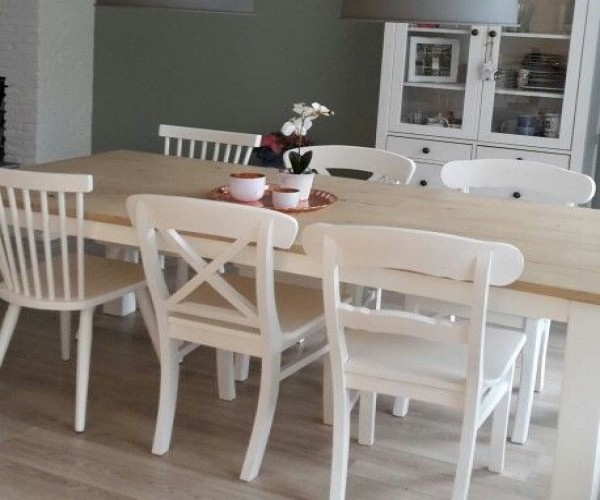
Alignment allows us to create order and organise things. Aligning elements allows creating a visual connection with each other. Harmony is relating the elements in a space to each other. Ever wonder how people mix and match their dining chairs, but they still look amazing? It’s harmony. Using a common characteristic can relate to different elements in the room. Three different dining chairs, but all painted the same colour can make a space look interesting and eclectic.
3. Rhythm
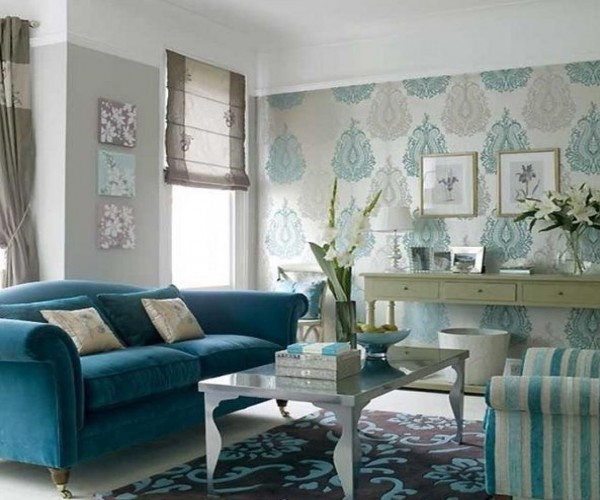
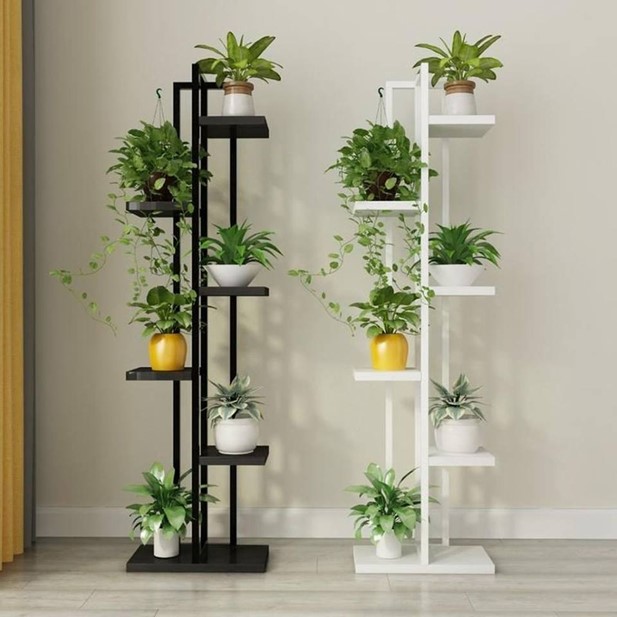
Repetition can create rhythm or a feeling of organized movement that strengthens a design by tying together individual elements. Remember painting scenery? The teacher had everyone use the same blue at the top of the canvas for the sky, a little to the left for a waterfall, then again at the bottom for a river? Spatial rhythm is the same thing. The repetition of blue created a sequence that related different parts of the canvas, creating a cohesive painting, moving your eye along the composition.
4. Proximity + Emphasis + Focus
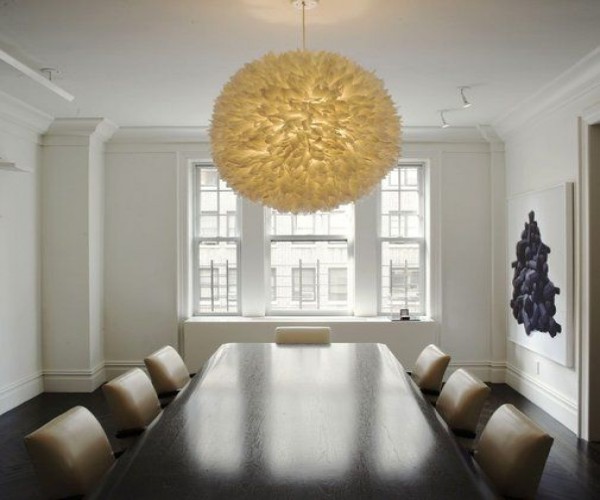
Proximity creates a relationship between elements and provides a focal point. Proximity doesn’t mean that elements have to be placed together. It means they should be visually connected in some way. Here the goal is to provide hierarchy and importance on key features. On the shoreline, we often focus on the water views. If the view is the showstopper, painting the walls using a neutral palette makes that sunset pop.
5. Contrast
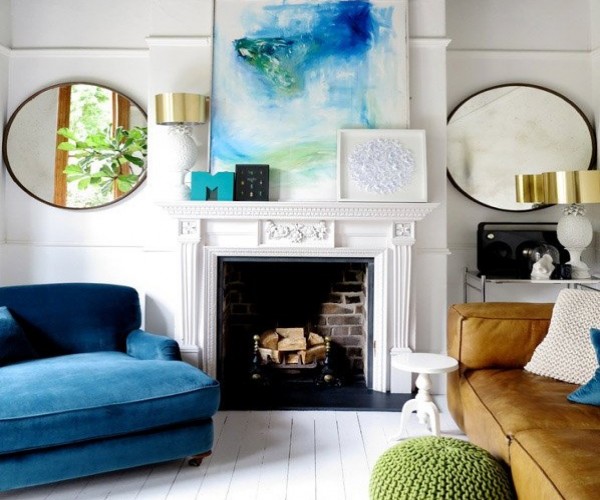
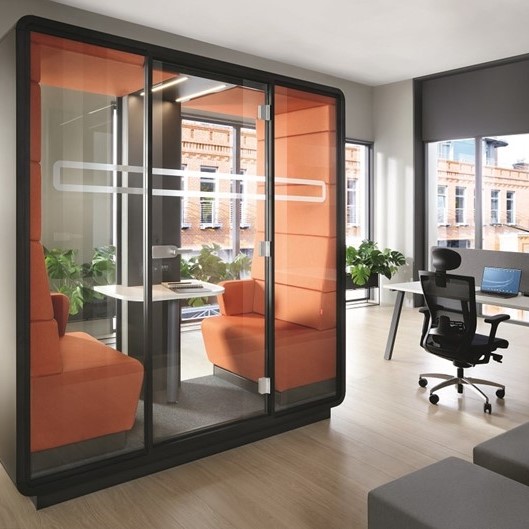
A unique element in the design should stand apart from the rest, such as the colour, tone, size, or direction of an object. There are some spaces that, upon first glance, make your breath catch because its elements are so visually striking, yet still fit together. Contrast is the secret ingredient that gives those memorable spaces their impact. When used correctly, can add a huge dose of visual interest to your interiors while simultaneously pulling it together.
6. Proportion

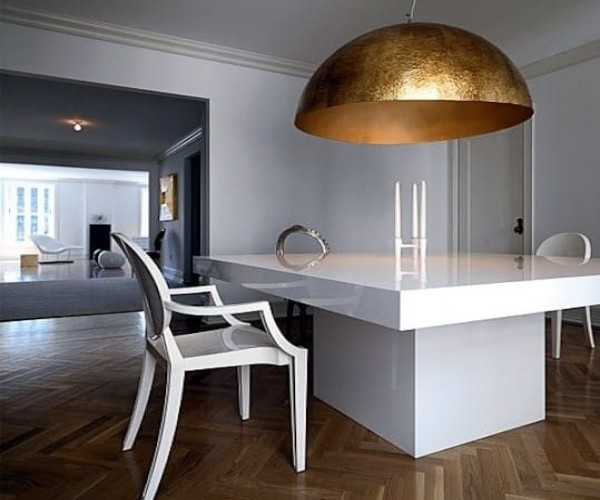
How does one part relate to the whole? In design, the proportion is relative to your body and the external elements. It refers to the distance or area between, around, above, below, or within elements. There are many different proportion systems to follow like the golden ratio, but a lot of proportion decisions can be made by eye. If the chandelier is the same diameter as the table, it’s probably too big.
A good interior designer follows these basic design principles effortlessly and directs the design plan to fulfil a house owner’s objective.




© Copyright 2026 Vdesignhappiness. All Rights Reserved.
