
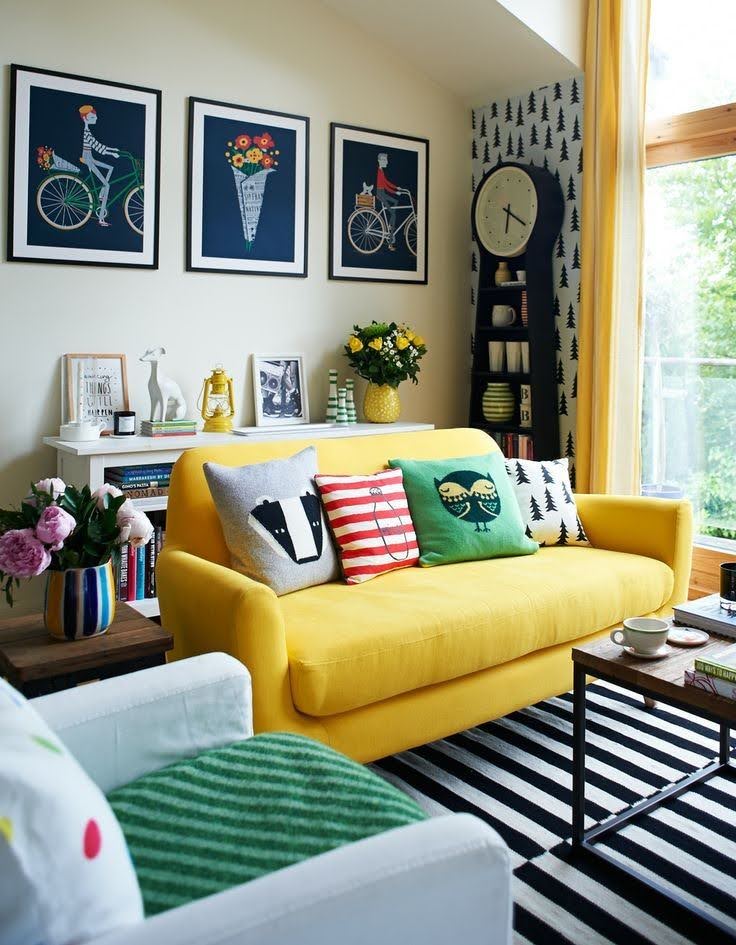
There’s nothing better than to curl up and relax on a cosy sofa. However, buying one that will stand the test of time requires some careful consideration. Therefore, it is important not to rush into an impulsive purchase, as your sofa will be one of the most-used pieces of furniture in your home. This buying guide lists the most essential points to consider.
1. Measure the Designated Space - Once your heart is set on a sofa that you think will fill the space well, bring its measurements home and mark the sofa’s outline on the floor with string. This way you can be sure the sofa will fit the space and that there will be room to walk around or past it.
2. Test Run for Comfort - Spend some time sitting on sofas testing them for comfort, as what you see and feel, is mostly what you get. That said, be aware that a sofa that feels wonderfully supportive now, may sag over time. For this reason, ask the store salesperson about the material being used under the upholstery.
3. Match Shape to Space - If you have a narrow or small living room, you don’t want to clutter it with a huge sofa that leaves no room for anything else. Long sofas are ideally suited to terrace house living areas that are often open plan.
4. Check the Frame - A sturdy frame is usually a long-lasting sofa. Avoid frames that are held together by staples and glue. The legs should be either part of the frame or solidly attached. Metal frames may be necessary when the seat of the sofa has a large span, but it may make the whole piece of furniture very heavy to move.
5. The Support System - Longer-lasting sofas generally have springs. The highest level of support is offered by a pocket coil spring, similar to those in a mattress. There are also other methods for support, such as webbing. Although this is a cheaper method of suspension, the webbing can offer good support if used in conjunction with springs in the areas that will bear the most weight.
6. Check out the Cushions - Seat cushions should be firm and regain their shape when you press down unless they are filled with down or feather. Foam cushions are the most inexpensive but they can deflate quickly if made up of low density. A great choice for the seats and backrests are cushions of high density.
7. Choose Hard-wearing Textiles - If you want to keep your sofa for decades, choosing the right textile for your sofa is as important. Hard-wearing cotton and linen are winners, but when mixed with a cheap synthetic can wear out faster. High-quality synthetic microfibre fabrics can mimic the weave and are stain-resistant, making these textiles excellent choices.
8. Play Safe with Colour - If you’ve found your dream sofa but are unsure about what colour is going to work in your decor scheme, or haven’t even decided on one yet, stick with a neutral. It will probably work with any of the colour palettes you introduce at a later date.
9. Avoid Trendy Textiles & Patterns - If you are looking to buy a sofa you plan to have forever, try to avoid purchasing one that features trendy weaves or big patterns, as they tend to fall out of season soon.
10. Settle on your Style - As the style of your sofa will be influenced by the existing decor of a room, choose one that will suit. A low-profile sofa will suit the modern decor and a high-back sofa will work better in a more traditional home.
11. Find Comfort & Style in Arm Shape - Consider the style of arms you like and whether they are comfortable enough for resting your arm on. Some people like square arms, others prefer rounded ones.
It is important to give enough attention to these areas so that when at last you make your purchase and sink into your new sofa at home, it will not only provide an exceptionally comfortable experience but will also last for many years to come.




© Copyright 2026 Vdesignhappiness. All Rights Reserved.
